AirWear
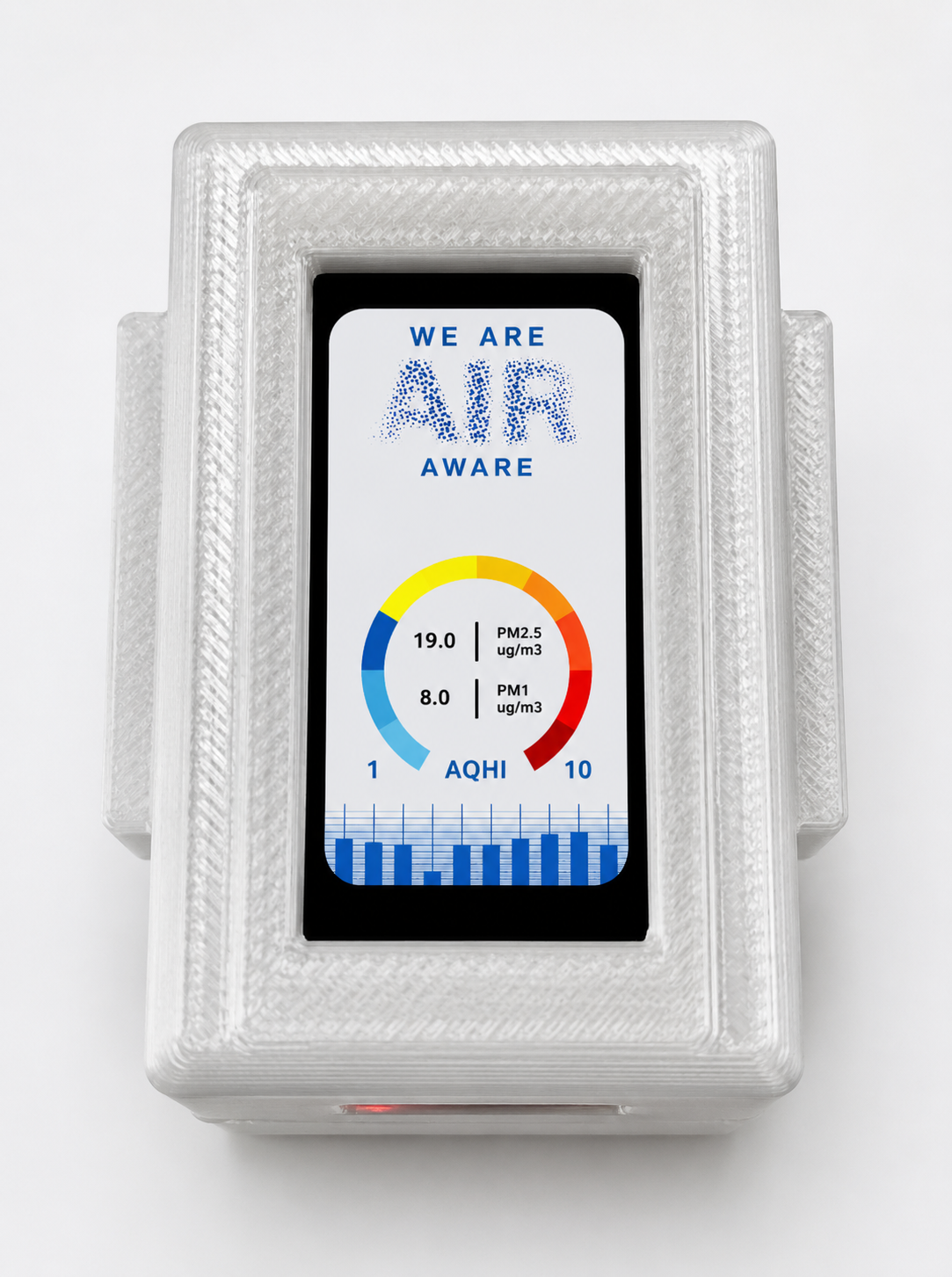
Wearable air-quality monitors measure personal exposure to particulate pollution during everyday movement.
Unless air pollution is visible, most people do not think about it.
The air we move through every day contains invisible particulate pollution that changes from street to street and minute to minute.
We Are Air Aware uses wearable sensing, mapping, and public art to make those invisible exposures perceptible.
Together, invisible exposure becomes perceptible and socially addressable.
Air pollution is a mixture of gases and particles. Fine and ultrafine particles can reach deep into the lungs, and the smallest may enter the bloodstream.
Our research measures particulate matter while investigating black carbon, a harmful combustion-related component associated with traffic, industry, aircraft, and wildfires.
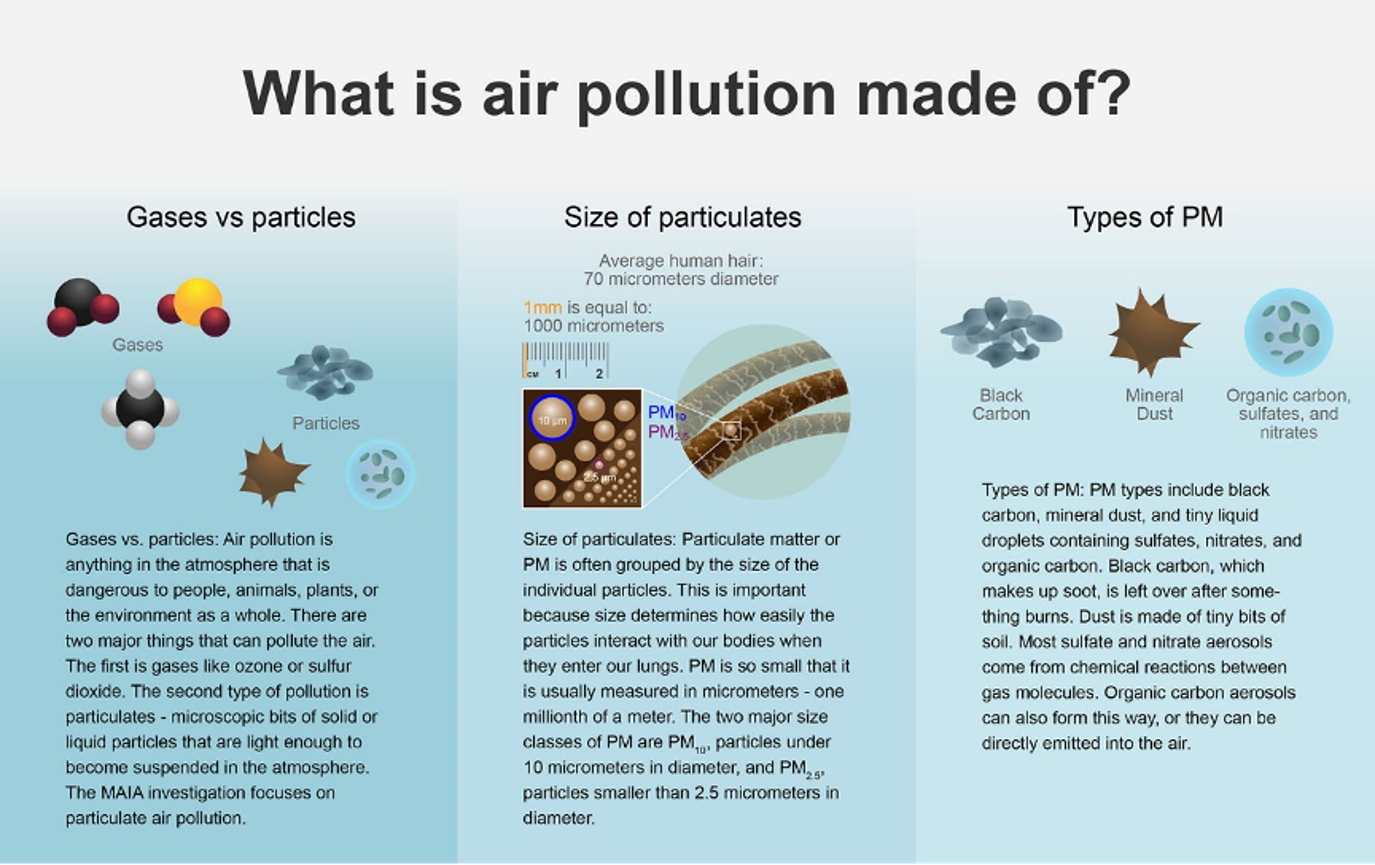
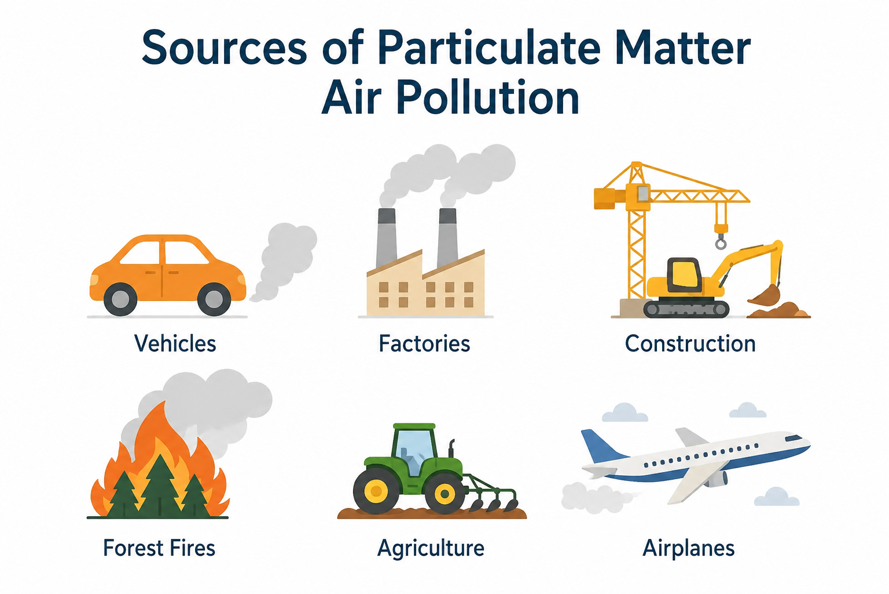
Particulate pollution comes from transportation, industry, construction, agriculture, aircraft, wildfires, and other sources.
Because pollution changes across places and throughout the day, exposure can differ dramatically even within the same neighbourhood.
We Are Air Aware connects wearable monitoring, community mapping, and public art.
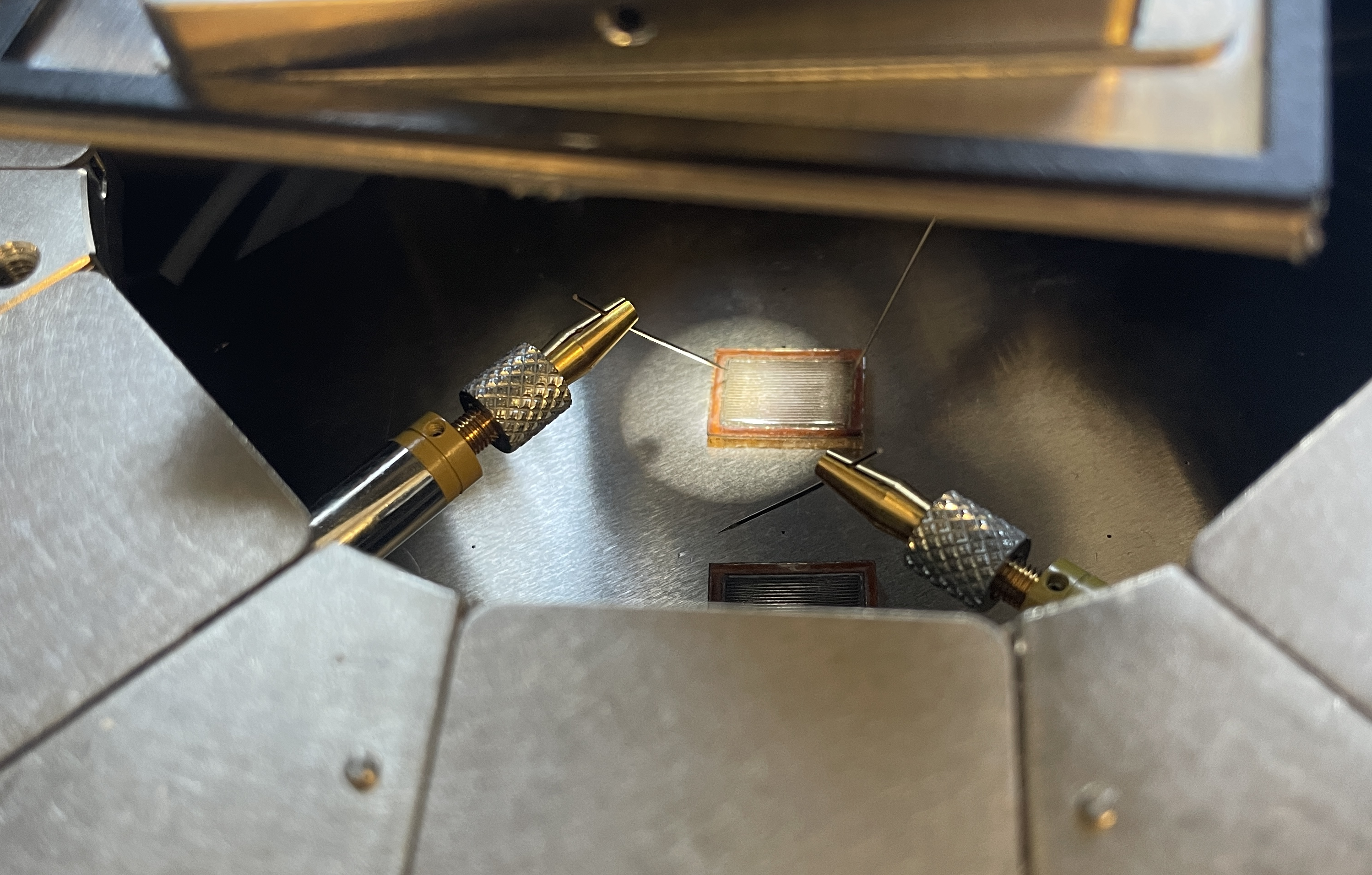
Wearable air-quality monitors measure personal exposure to particulate pollution during everyday movement.
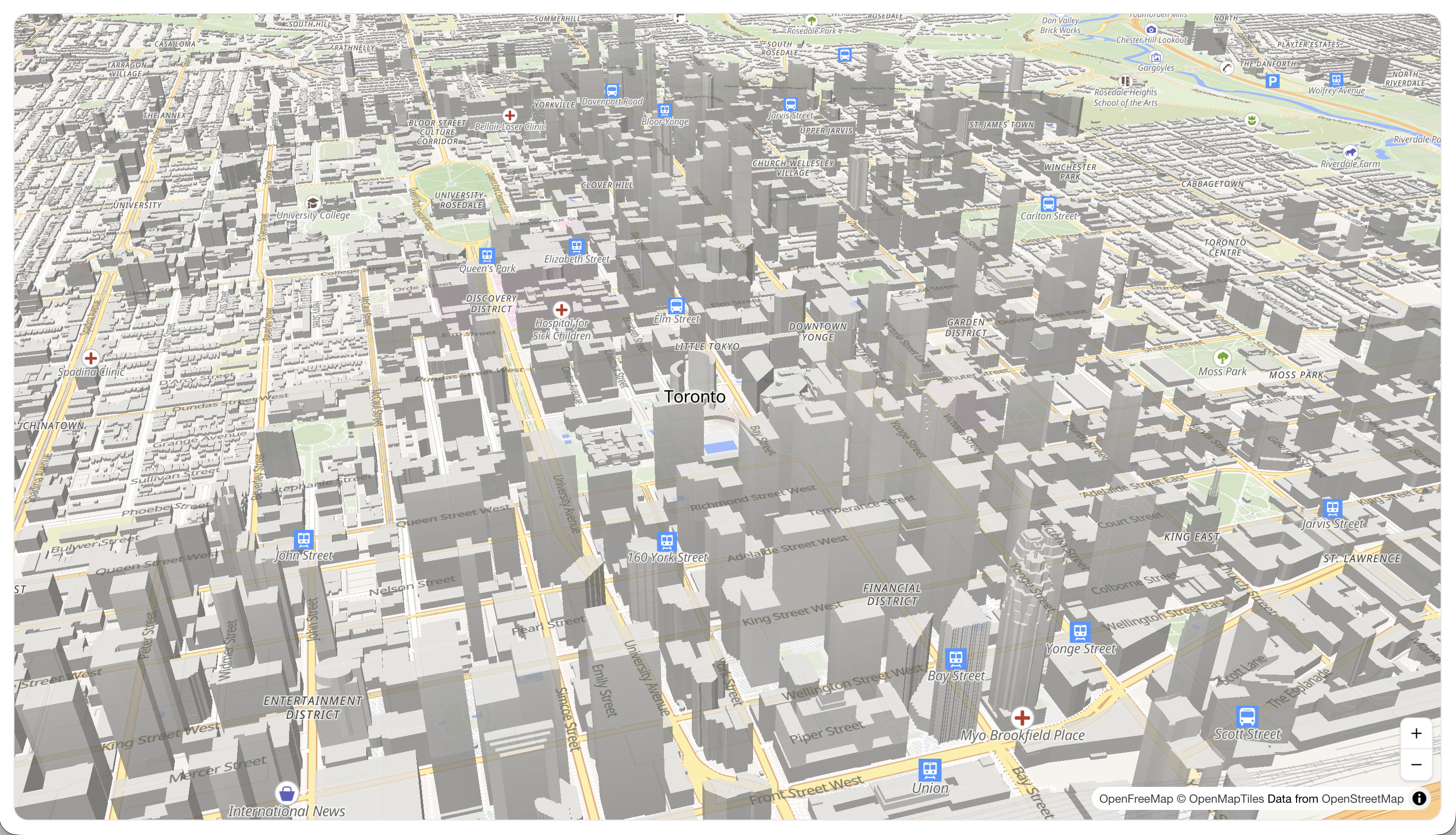
Privacy-conscious maps transform individual measurements into a shared understanding of community air pollution.
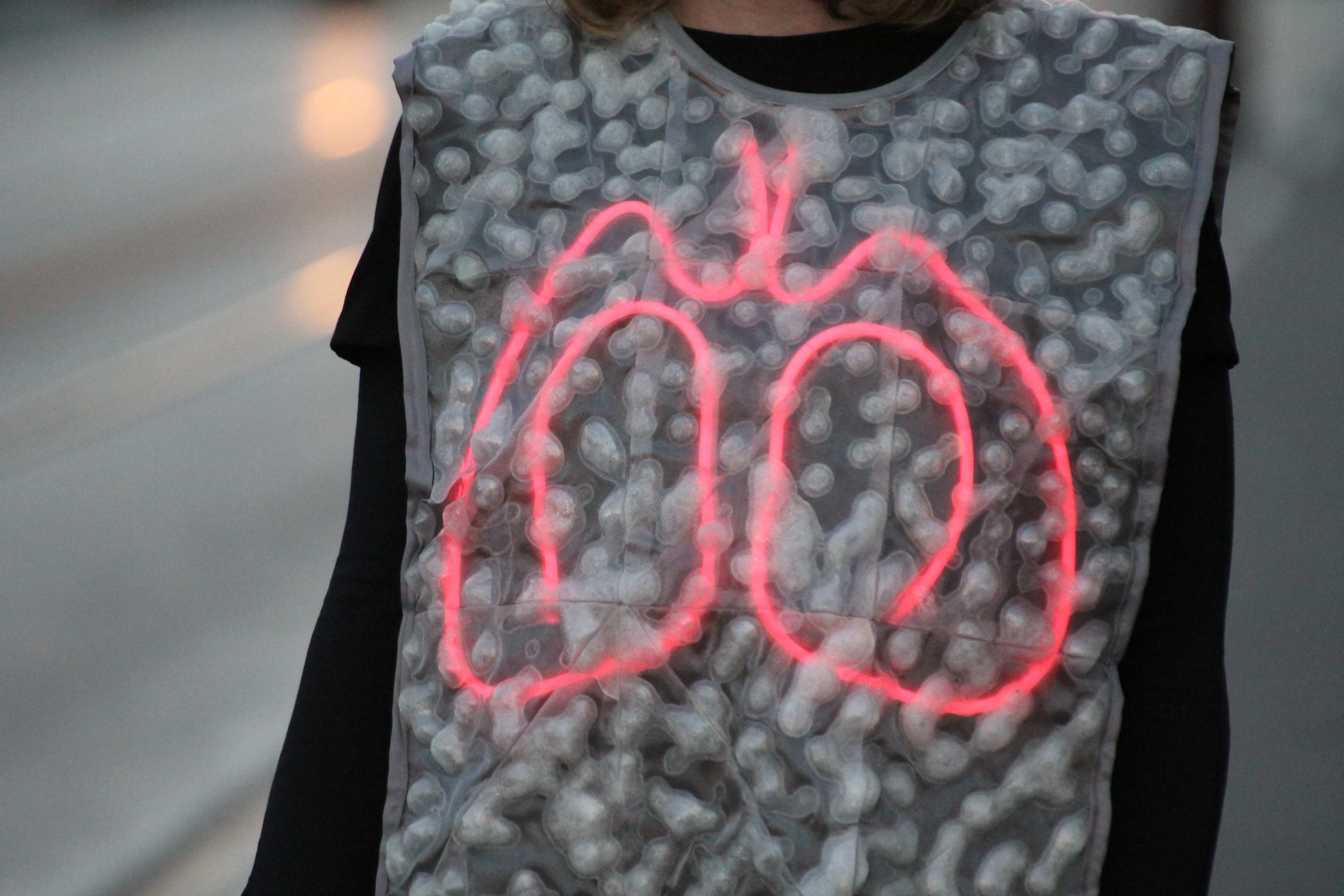
Wearable artworks transform air-quality measurements into visible, embodied experiences in public space.
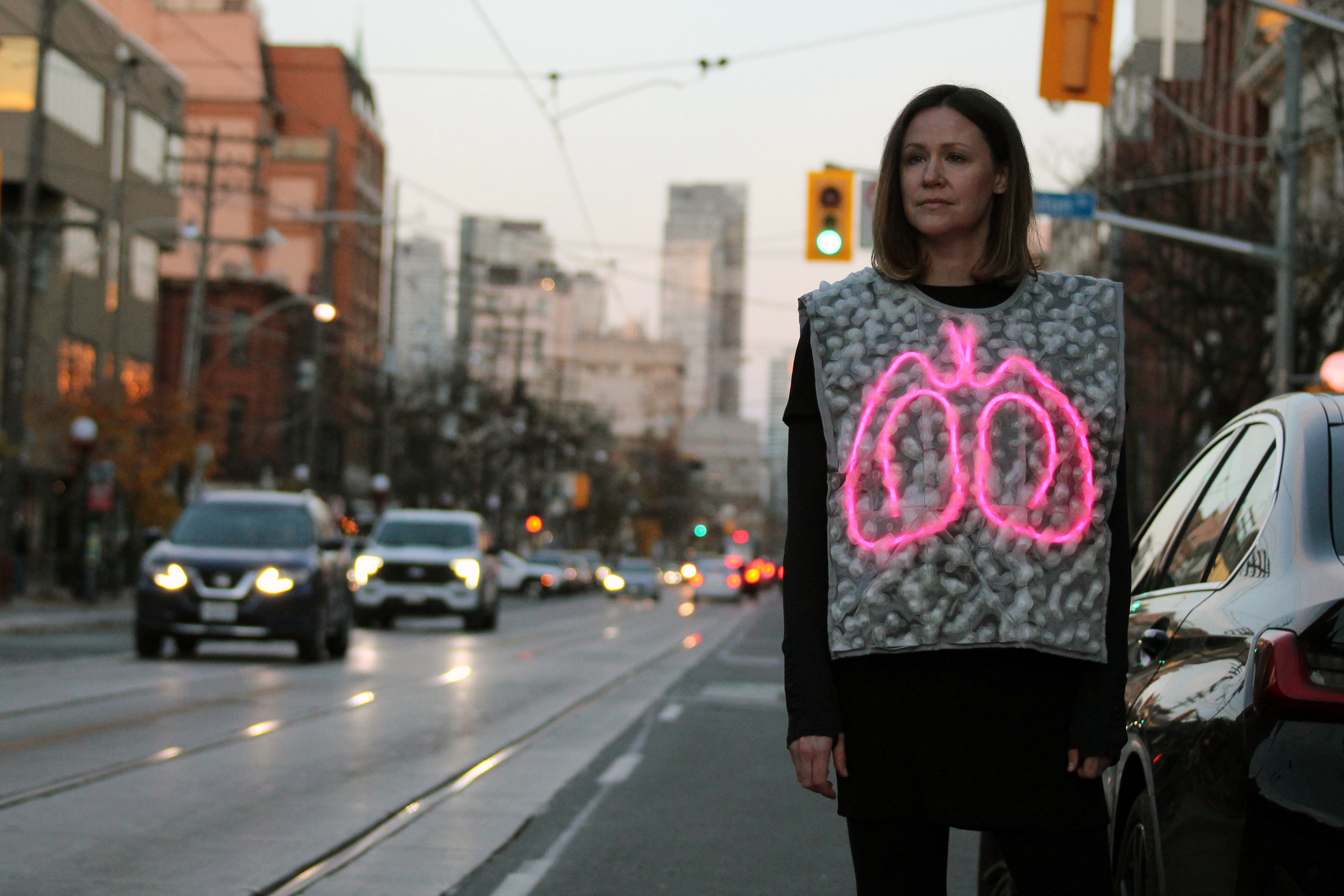
Participants wear AirWear during daily life. Measurements become privacy-conscious community maps and public experiences that encourage awareness, conversation, and action.
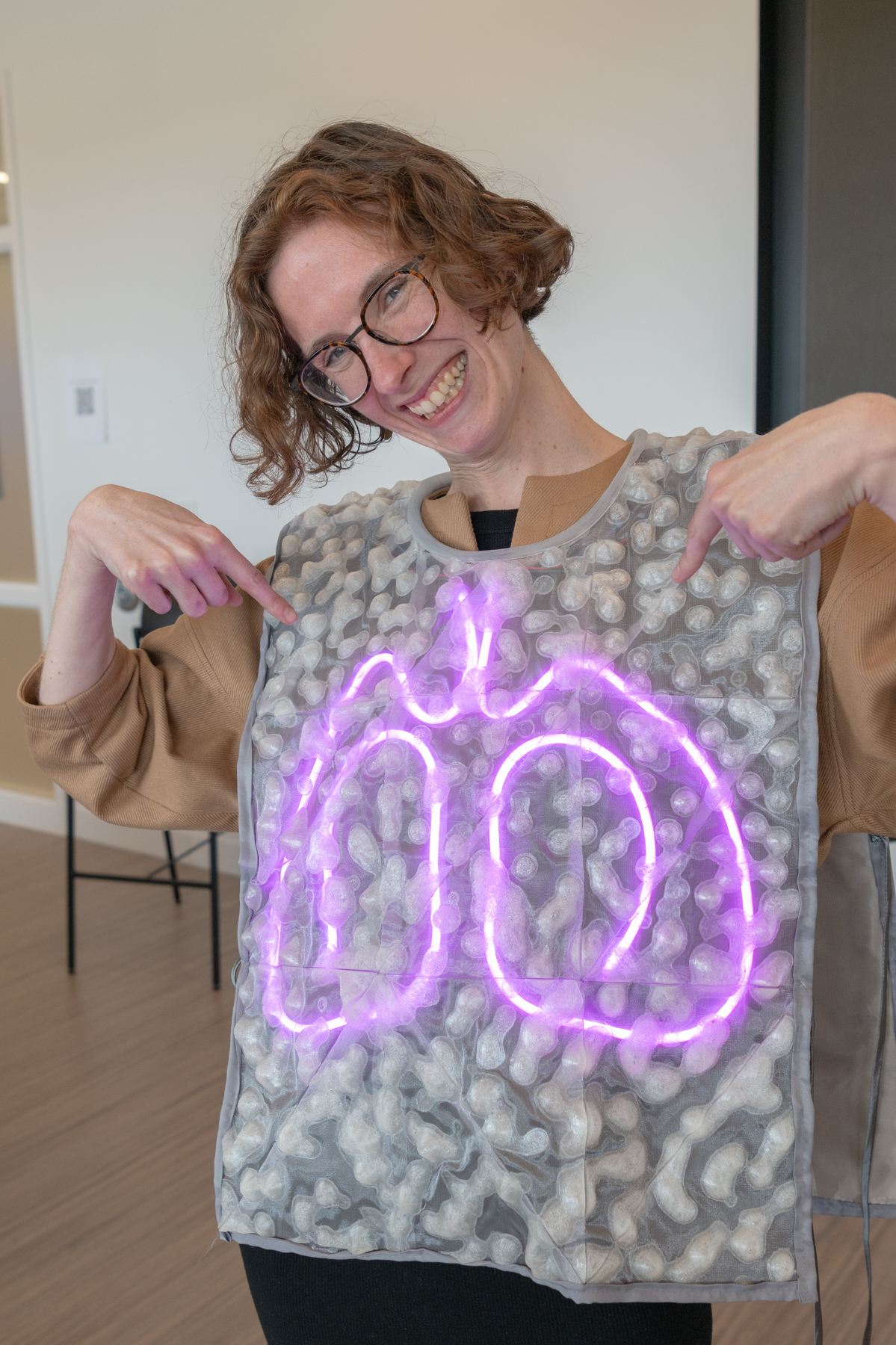
AirWear is developed with communities through workshops, prototype testing, and field deployments.
Participants help shape how the technology is worn, what it communicates, and how personal measurements become meaningful community knowledge.
This research has been undertaken thanks in part to funding from the Connected Minds Program, supported by the Canada First Research Excellence Fund (CFREF-2022-00010); the New Frontiers in Research Fund – Exploration, SensingChange (NFRFE-2023-00830); a SSHRC Explore Grant (Project P2026-0327); and the Dahdaleh Institute for Global Health 2026 Critical Perspectives in Global Health Seed Grant.